

Listening without understanding
Why I love music in languages I cannot comprehend - PLUS! A whole load of gigs

A confession to make: I’ve been co-opting other people’s languages to help me fall asleep.
It started years ago, when, in a probably quite performative effort to be more cultured, I realised I should probably listen to at least some music by artists who don’t sing in English. There are, after all, over 7000 languages in the world. It seemed entirely plausible that at least one of them had a song that was on a par with, say, Thunder Road.
At the same time, I foresaw a problem: I’m very much a lyrics guy. What would I connect to if I couldn’t understand the nuances of the singer’s relationship with that girl they fancy, or their defiant ability to get knocked down, and get back up again, because you’re never gonna keep them down?

But when you listen to music in a language you cannot understand (which, for me, is every other language), you unlock a different way of enjoying each song. Take, for example, the Japanese folk singer Ichiko Aoba, who has been something of a global phenomenon over the past few years - I saw her play to 200 people in Nottingham in May 2023; next month she headlines the Royal Albert Hall.
Aoba’s music - and her international success - thrives not on her audience’s ability to understand Japanese, but on the otherworldly quality of her songs. I am reluctant to describe anybody’s music as ‘ethereal’, but if someone is going to make the claim, it is Aoba. Take her track ‘Seabed Eden’, which has the most unexpectedly perfect title in the history of recorded sound. To listen to the song is to be submerged in a perfect underwater world, untouched by human mistakes. A version released last week as part of a breathtaking live album brought me to tears.
I used to think that my enjoyment of songs in other languages was comparable to orchestral music, or anything instrumental - the stately jazz of Bill Evans on ‘Peace Piece’, or that Moog cover of Raindrops Keep Fallin’ On My Head that will occasionally play in my head as I unload the dishwasher. The idea being that the singer’s voice, free from the burden of comprehension, becomes just another instrument in a tableau of sound.

And that burden of comprehension isn’t to be ignored. It’s the reason that, yes, Ichiko Aoba’s music is absolutely perfect to fall asleep to. The reason that I can get a lot of work done when I’m listening to the psych-rock of her fellow countrymen Kikagaku Moyo. ‘Seis’, the seventh album by Chilean-Mexican singer Mon Laferte, is grandiose and rich with melodrama. But I can write without distraction while it plays because I am moved by the music without being pulled from my thoughts by the words.
But to treat these words as unimportant is to do a disservice to the songwriters. Like any artist, their lyrics are considered, and rich with meaning. Even without comprehension, the spirit of that meaning is carried by the words, and by the delivery - more so, maybe, than any instrument could muster.1 If anything, listening to another language highlights a quality of good writing we do not pay enough attention to in the music we understand: the importance of intonation. The way the sounds of our words say as much as the words themselves. I feel the heartache in Mon Laferte’s songs without having a clue what that heartache is. To listen to songwriting you cannot understand is not to treat the lyrics as an additional layer of instrumentation; it is to engage with the songwriter from a different angle, to open yourself up to a new way of listening, and a new way of enjoying.
But look: I know this can border on the colonial. There’s a balance to be had between engaging with different cultures and exoticising them. These songs are not written for the benefit of foreign ears - they exist exactly the same way that every other piece of music across the world does: telling stories that are meant to be heard. Ichiko Aoba sells multilingual lyric books at her merch stand for a reason - she wants her lyrics to be heard for what they are, even by those who haven’t the ears for them. There is nothing inherently wrong with appreciating music that we cannot understand - it would be ludicrous to expect people to learn the languages of every song they intend to listen to. But we can listen without context only for so long - at some point, we must choose to pay attention to what the songs are telling us.
Nowhere is this more important than music sung in languages that aren’t dominant in their region, whether they be one of the hundreds of languages that live on the edge of extinction, kept alive only by the last few elderly speakers, or they be languages closer to home, like Scots and Welsh.
Over the past few decades, both these languages - once in steady decline in their home nations - have been given attention on both a cultural and legislative level to ensure that they are kept alive for future generations. Music continues to play a huge part in their revival. The folk singer Iona Fyfe is a staunch champion of Scots - in 2021, she successfully lobbied Spotify to recognise it as an official language on the platform.
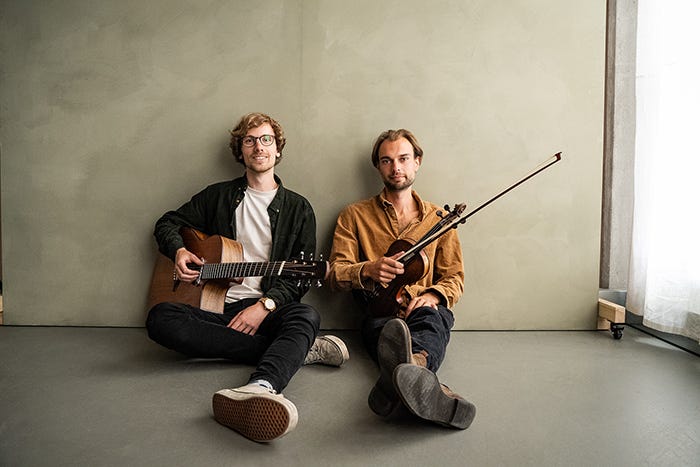
Filkin’s Drift, who play Folkroom at The Grove in Nottingham this month, are vital advocates for the Welsh language. While Welsh-language speakers are on the rise across Wales and both the UK and Welsh governments are working to further support them, the total number of speakers in the country still amounts to around 18% of the population.
Filkin’s Drift perform much of their set in Welsh, with music inspired by an 870-mile walking tour of the Welsh coastal path in 2023. In singing Welsh folk songs, they connect the language to both the country’s rich heritage and modern audiences. Their songs are beautiful and, to my English ears, another perfect example of music in a foreign tongue that offers a chance to connect to music on a different level. But if you take the time to discover its meaning - or join them for a gig to have its meaning uncovered for you in person - there is an opportunity to fully immerse yourself in Welsh culture, and better understand where the music comes from, and where it is yet to go.
Filkin’s Drift play The Grove in Nottingham on February 28th. Tickets are available here. The duo are also on a wider UK tour, with dates listed on their website.
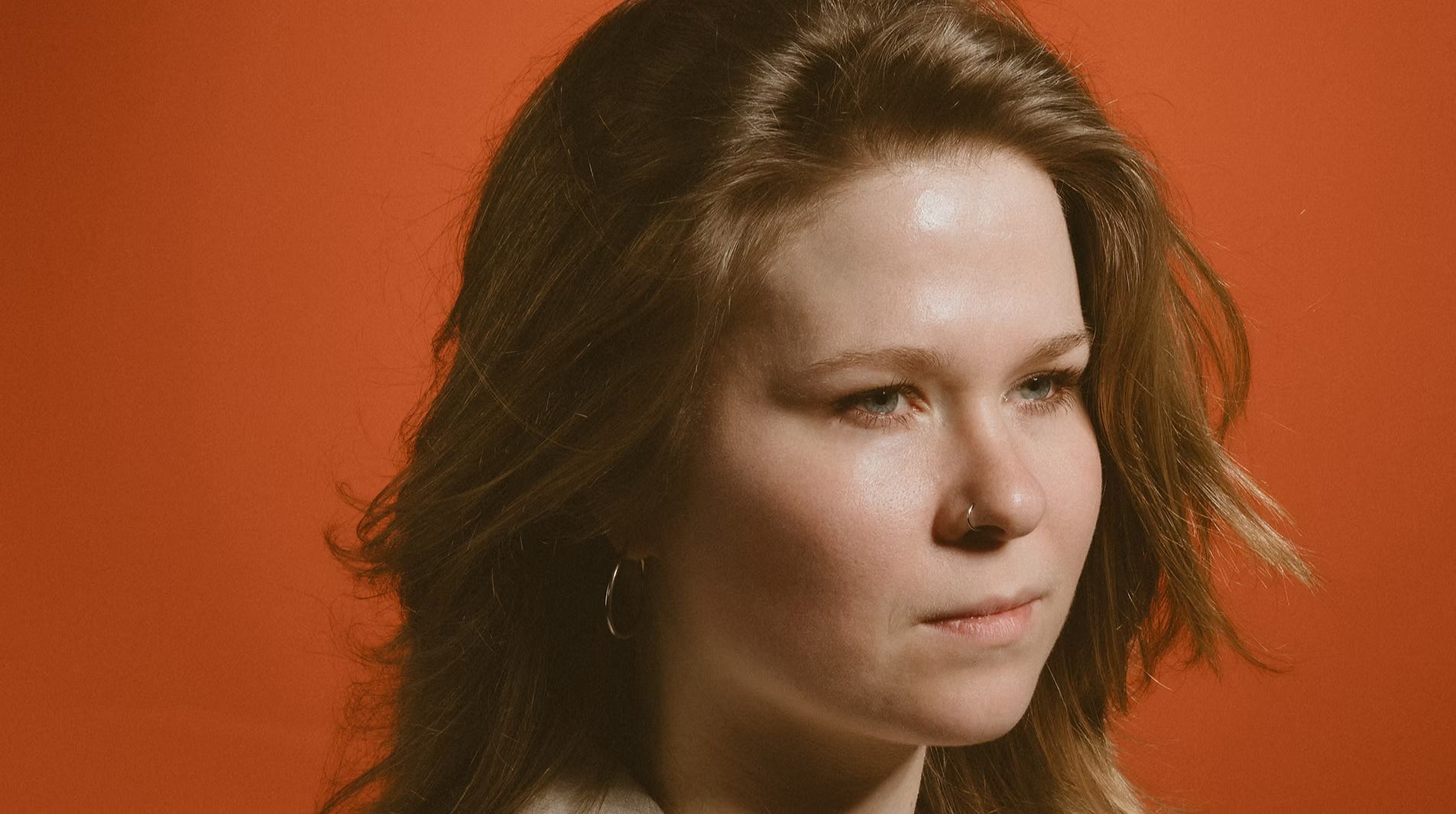
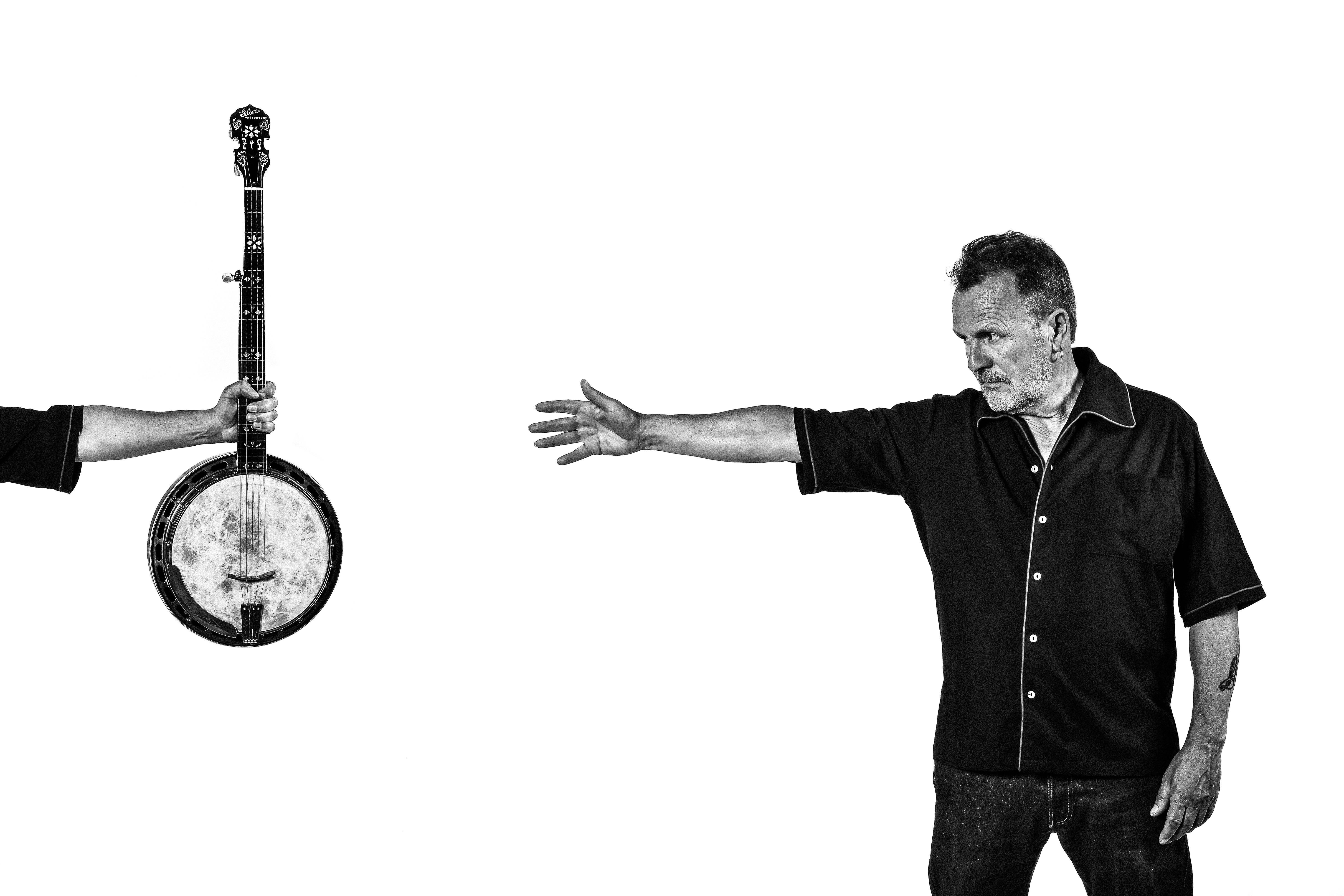
We’re only a few days out from our next Peggy’s Skylight gig with Steve Tilston, whose show will act as something of a career retrospective after the release of his final album last year. Steve has been a major player in the UK folk scene for over fifty years, and, in addition to working alongside many of our other folk greats, he was portrayed on film by none other than Al Pacino. Old Al wouldn’t be my first pick to play me in a film, but I wouldn’t turn him down!2
Then, in March, we welcome Katie Spencer to Nottingham. In many ways, Katie is the perfect pick for our folk night at a jazz club: her music is rich with the melodic, light jazz touches of Joni Mitchell and Michael Chapman. I’ve been trying to find a place for Katie on my line-ups for a few years - in my mind, she’s one of the most accomplished singer-songwriters in the UK right now. I’m also really happy that we’ll be joined by the fantastic Satnam Galsian for a support set.
We have absolutely loads of great gigs coming up at Folkroom, so take a moment to look over the current events list below and grab your tickets while you can - some of these are already well on their way to selling out! And don’t worry, London folks - I’m working on some really exciting gigs for you in the near future.
February
8th - Steve Tilston at Peggy’s Skylight, Nottingham [TICKETS]
28th - Filkin’s Drift at The Grove, Nottingham (support from Dan Chapman) [TICKETS]
March
8th - Katie Spencer at Peggy’s Skylight, Nottingham (support from Satnam Galsian) [TICKETS]
April
8th - Sam Grassie at The Grove, Nottingham (support from Emily Ashberry and Victor Camilleri) [TICKETS]
12th - Martin Simpson at Peggy’s Skylight, Nottingham [TICKETS]
May
10th - Mikey Kenney at Peggy’s Skylight, Nottingham (support from Rosie Brownhill) [TICKETS]
13th - Michael McGovern at The Grove, Nottingham (support from Scott C. Park and Eleanor McGregor [TICKETS]
16th - Chris Brain at The Grove, Nottingham (support TBA) [TICKETS]
June
14th - Steve Turner at Peggy’s Skylight, Nottingham (support from Dan Chapman) [TICKETS]
Except the saxophone. The saxophone is moody as all heck.
Drew Barrymore, hit me up if you want to star in the movie of my life.